We are proud to announce our sponsorship and participation in the 18th International Conference on Hybrid and Organic Photovoltaics (HOPV26), taking place May 18–20, 2026, at Uppsala Konsert&Kongress in Uppsala, Sweden.
HOPV26 is an international conference focused on the latest developments in hybrid, organic, and perovskite solar cells, as well as emerging photoelectrochemical systems. The event brings together scientists and engineers from around the world to discuss advancements in materials, device performance, and next-generation solar technologies.
During the conference, we will present our advanced photovoltaic characterization solutions, including Source Measure Units (SMUs), Solar Simulators, and LBIC (Laser Beam Induced Current) systems. These instruments are designed to support high-precision testing and analysis of photovoltaic films, single-junction devices, and complete modules, enabling research, development, and quality assurance in solar energy applications.
Through our participation at HOPV26, we aim to engage with the global research community, foster collaboration, and support innovation in advanced solar technologies.
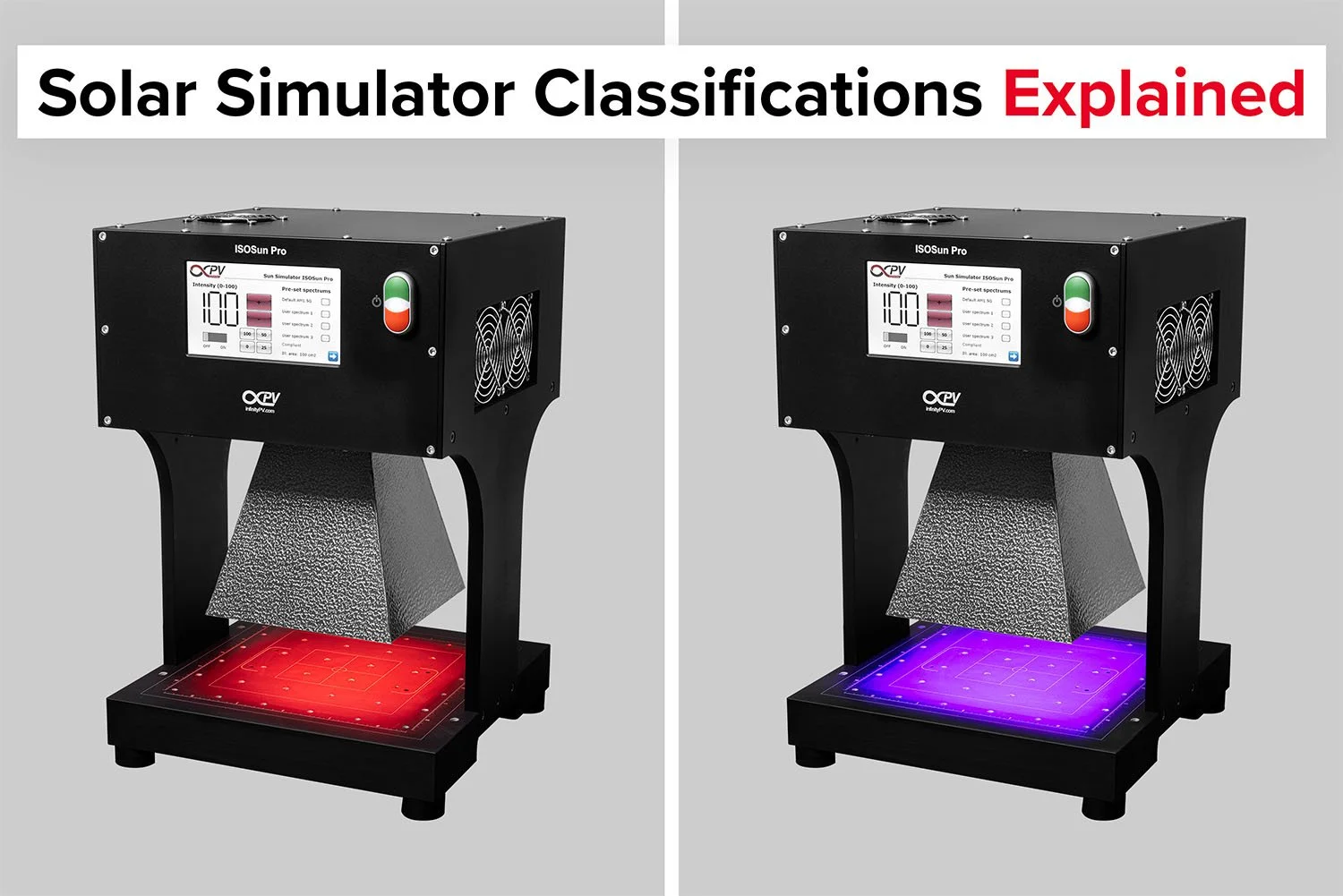
At the conference, it’s possible to try out the ISOSun Pro Solar Simulator.
Related Pages
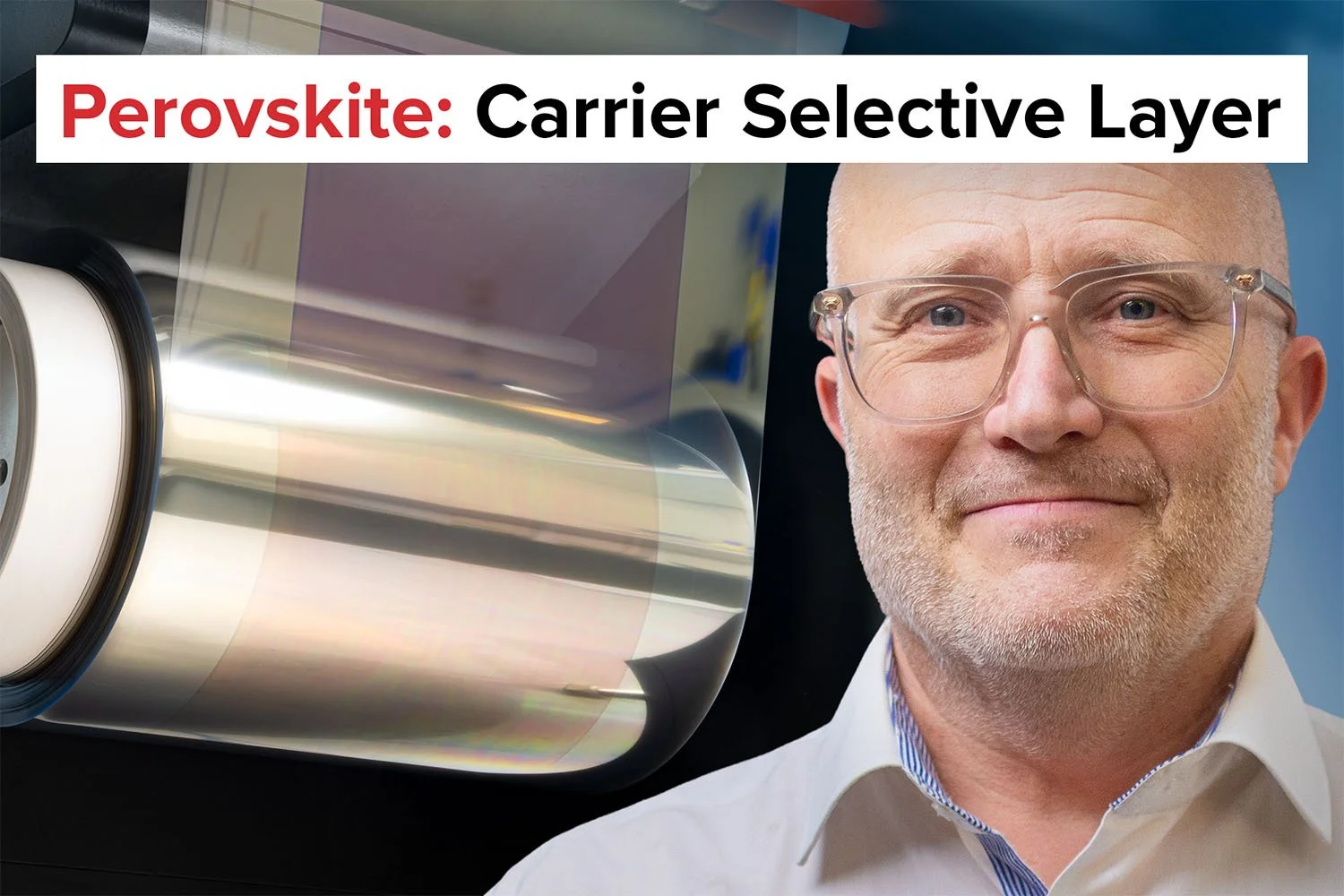
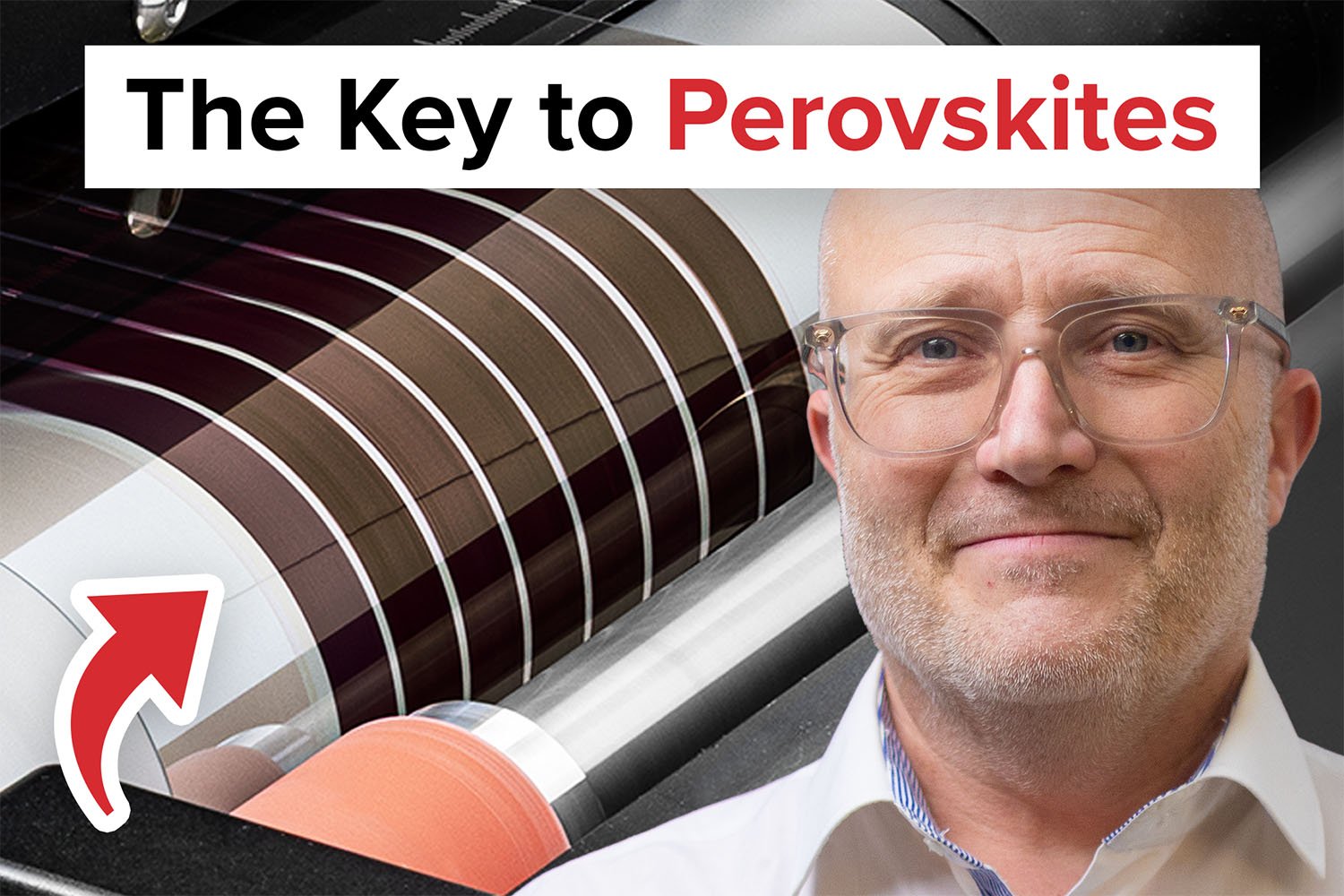
Learn how to prepare the first charge selective layer in roll-to-roll manufactured perovskite solar cells, including N-I-P and P-I-N stack configurations using SnO2, ZnO, NiO, and SAM layers.
Learn step-by-step how to select, clean, and pattern PET and PET/ITO substrates for roll-to-roll perovskite solar cell fabrication.
Learn why high-quality perovskite solar cells must be made using compact lab-scale roll-to-roll (R2R) equipment.
Learn about solar simulator classifications for photovoltaic testing. Understand A, B, C, and A+ ratings based on spectral match, spatial uniformity, and temporal stability according to IEC, ASTM, and JIS standards.
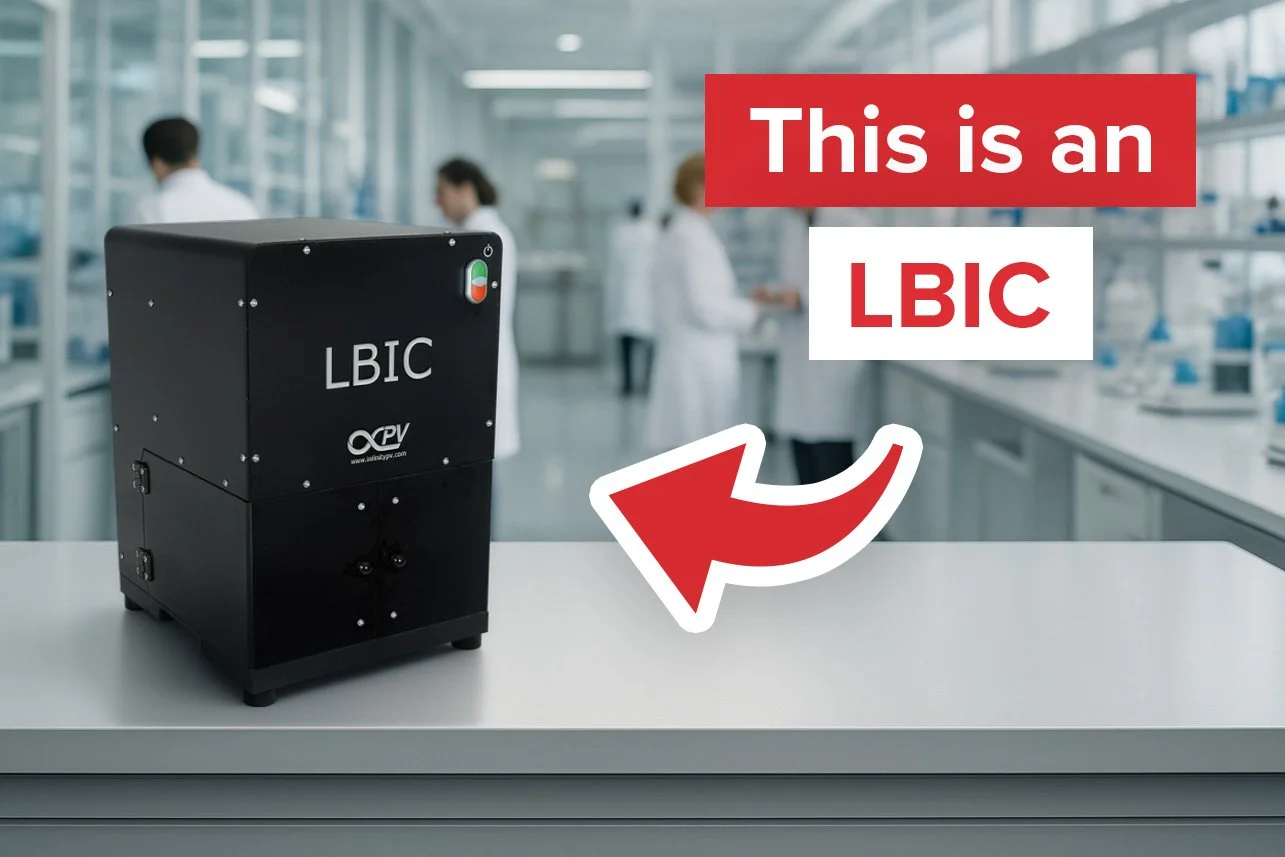
Learn how LBIC (Light Beam Induced Current) maps solar cell performance, detects defects, and helps researchers and manufacturers optimize efficiency and stability.
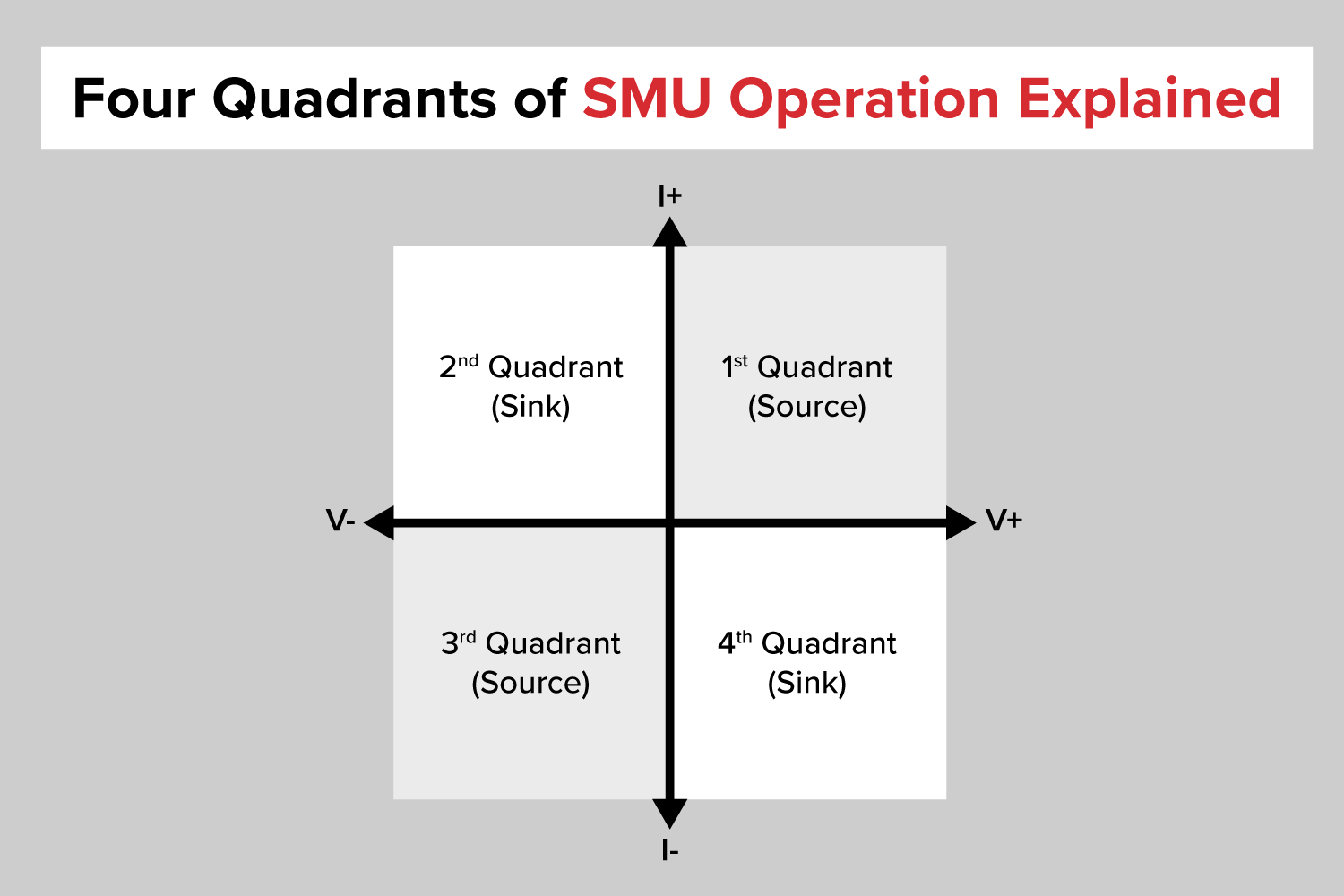
Learn how the four quadrants of SMU operation enable sourcing and sinking of current and voltage for battery, semiconductor, and solar cell testing.
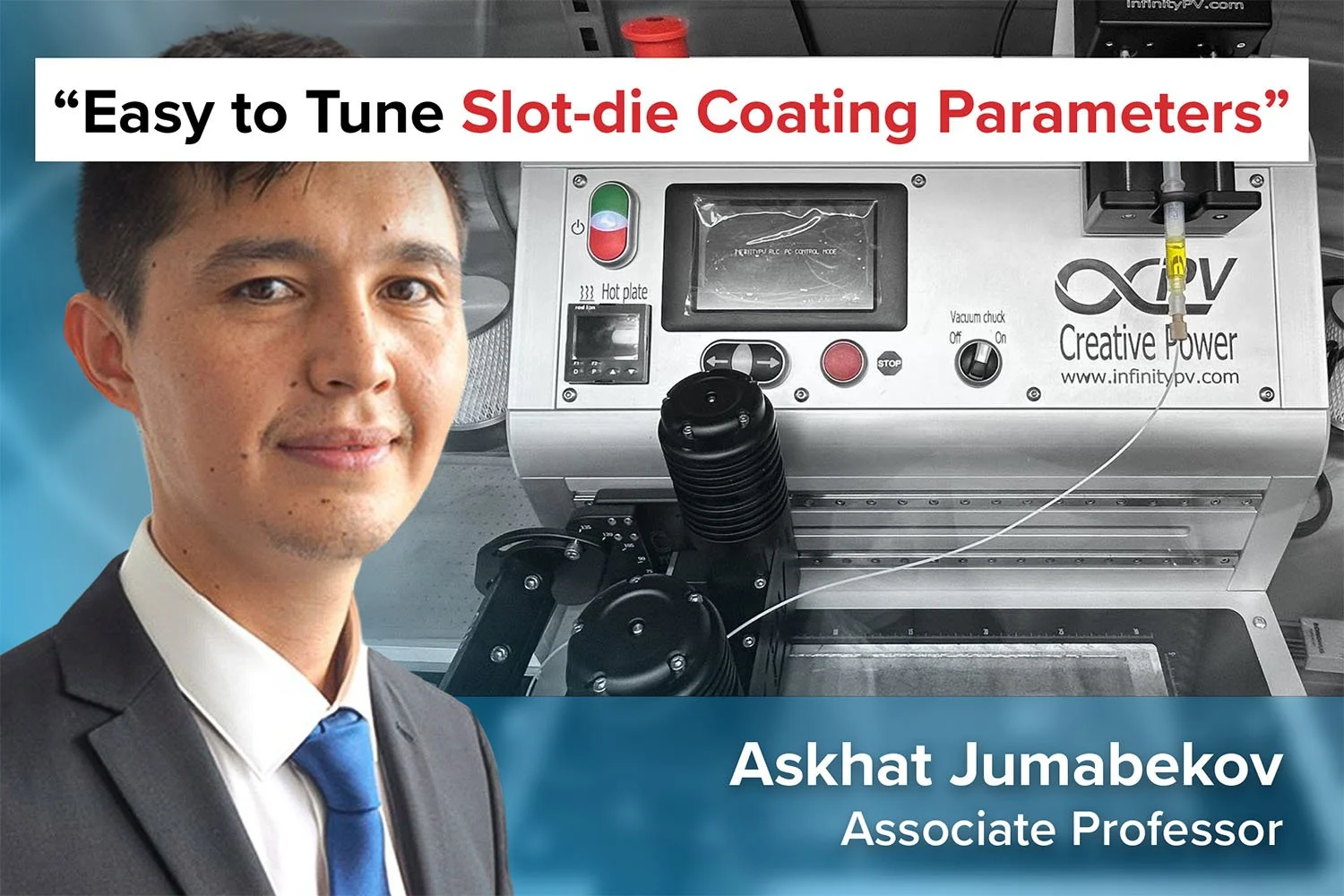
Learn how Nazarbayev University uses infinityPV's configurable laboratory Slot-die Coater for controlled perovskite deposition and photovoltaic research.
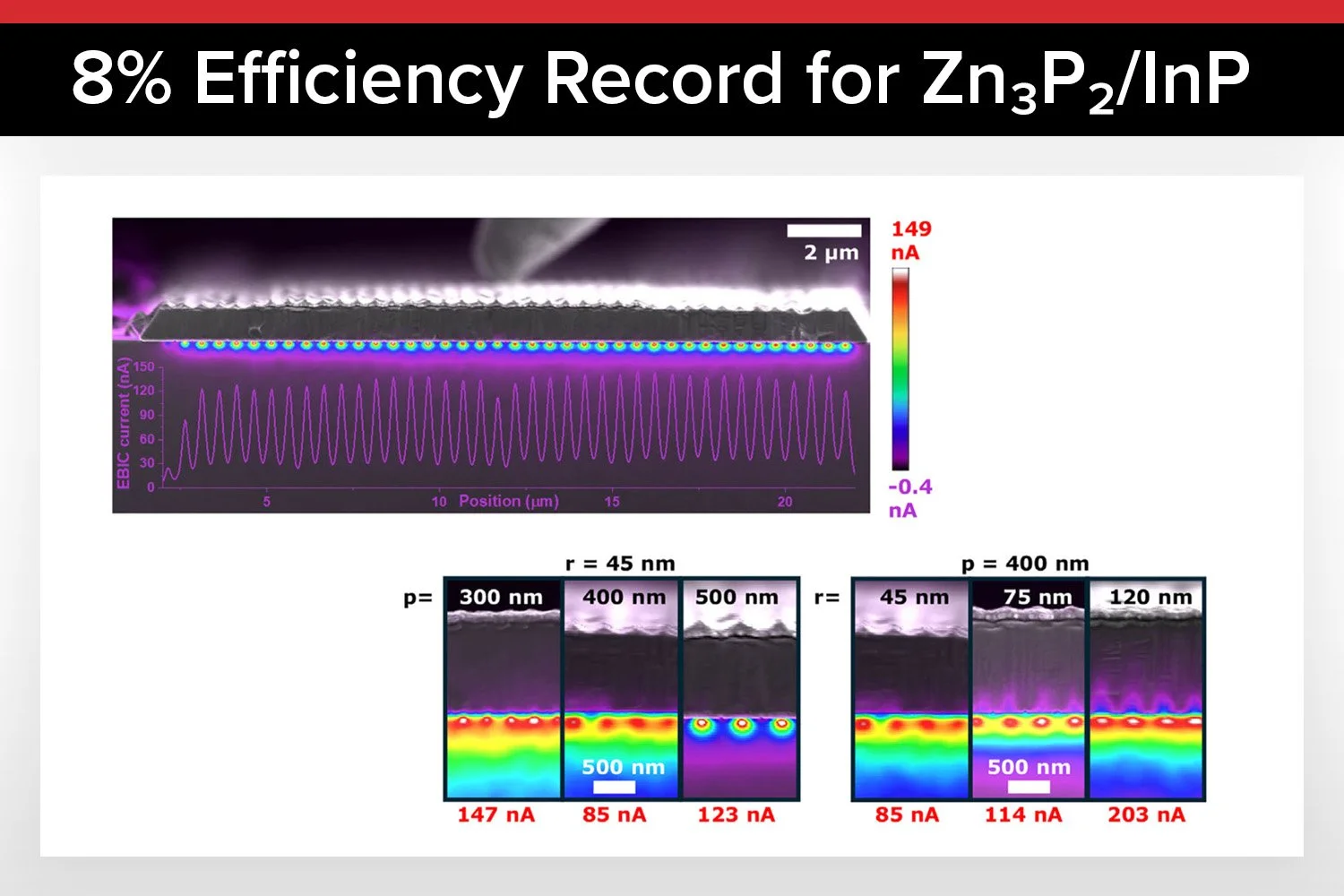
Researchers from EPFL, AMOLF, and Hellenic Mediterranean University have demonstrated a new 8.0% efficiency record for Zn₃P₂/InP heterojunction solar cells, using nanoscale junction engineering to improve device performance.
How researchers tested perovskite solar cell stability, revealing key findings on degradation mechanisms, seasonal effects, and how laboratory testing predicts real-world performance.
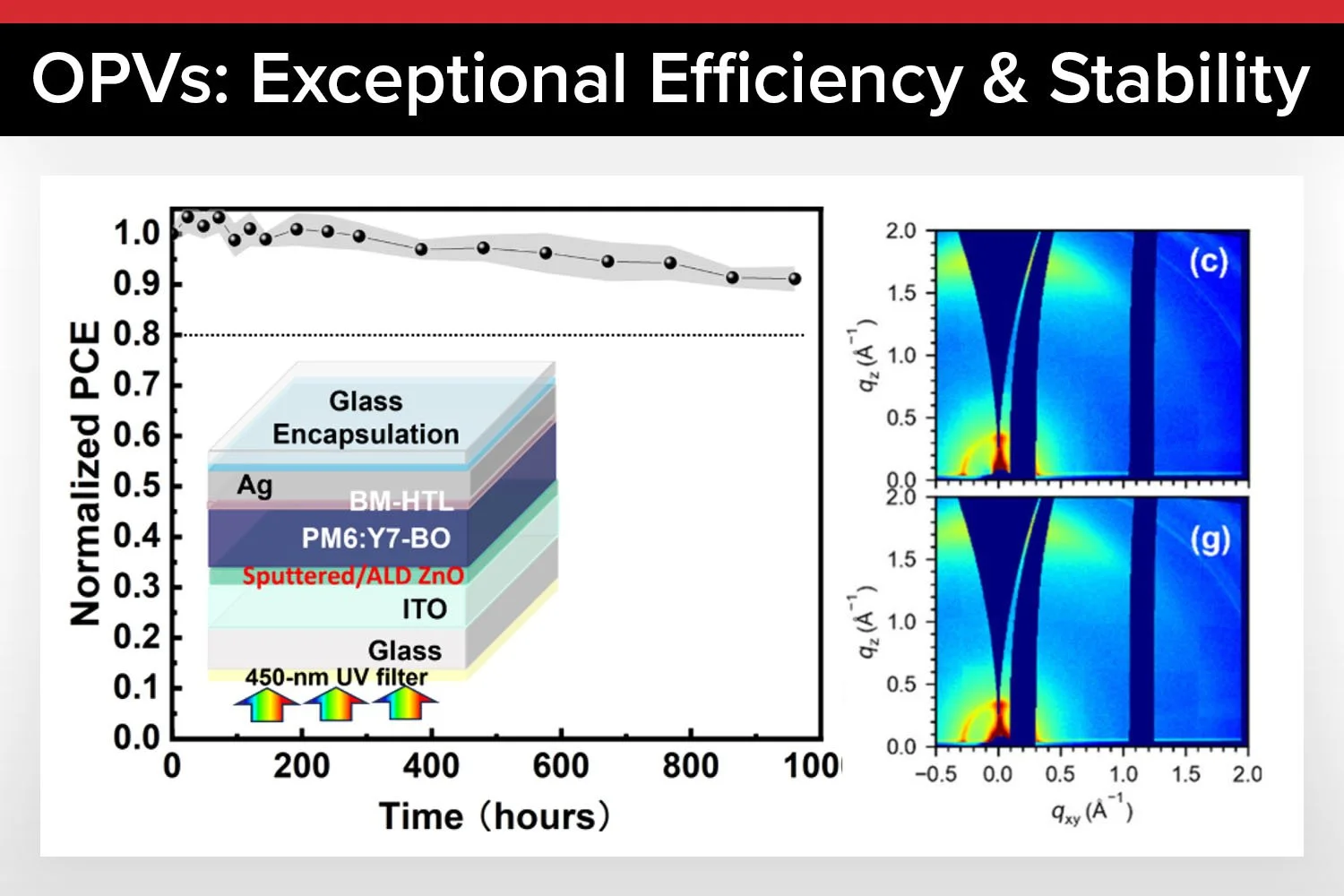
Researchers achieved a record 15.9% power conversion efficiency and superior long-term stability, with less than 10% efficiency loss after 1,000 hours in OPVs.